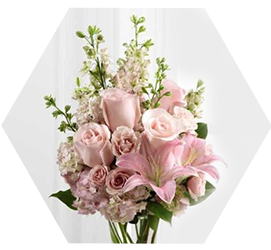
How Tunbridge Wells Borough Council rules affect flower displays
Posted on 13/10/2026
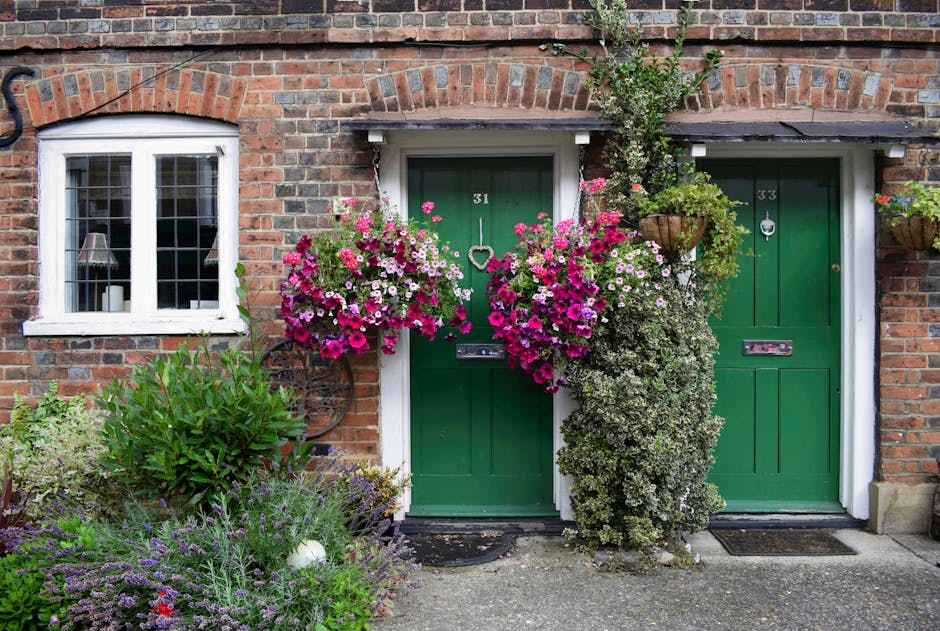
If you are planning a shopfront display, a wedding entrance, a memorial tribute, or even a simple row of planters outside your premises, How Tunbridge Wells Borough Council rules affect flower displays can shape almost every decision you make. The rules may influence where a display can sit, how far it can project, how safe it must be, and whether you need to think about highways, pavements, neighbours, or event permissions. Easy enough to overlook at first glance. Then suddenly, your lovely display becomes a problem.
This guide breaks the topic down in plain English. You will see what the council is really looking at, how local expectations typically work in practice, and what to check before you arrange flowers on public-facing land or near a path. We will also cover useful best practice, common mistakes, and the sort of planning that saves time later. Truth be told, a well-placed display is usually the one nobody notices for the wrong reasons.
Where relevant, we will also point you towards practical pages for ordering arrangements, care, and delivery so the floral side is handled properly too. For example, if you need a quick local arrangement, you may find it helpful to look at a local florist in Tunbridge Wells TN1 or explore flower delivery in Tunbridge Wells TN1 when timing matters.
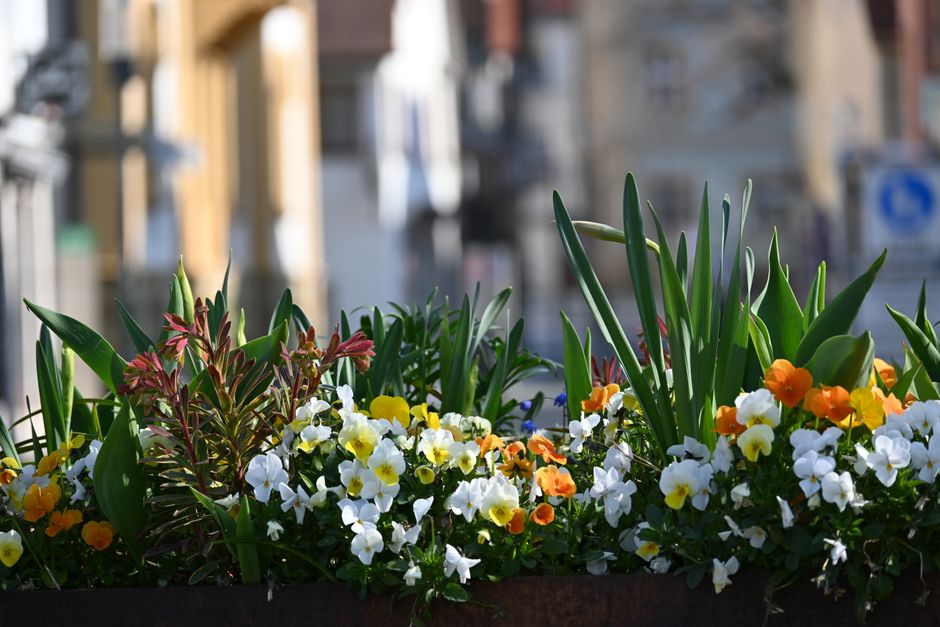
Table of Contents
- Why Tunbridge Wells Borough Council rules affect flower displays matters
- How the council rules affect flower displays works
- Key benefits and practical advantages
- Who this is for and when it makes sense
- Step-by-step guidance
- Expert tips for better results
- Common mistakes to avoid
- Tools, resources and recommendations
- Law, compliance, standards, or best practice
- Options, methods, or comparison table
- Case study or real-world example
- Practical checklist
- Conclusion
- Frequently Asked Questions
Why Tunbridge Wells Borough Council rules affect flower displays matters
At first, it can feel like flowers should be the easy part. You choose the colours, match the season, arrange them neatly, and job done. But any display that spills into public space, faces the street, or sits near an access route can fall under local rules, safety expectations, and practical site management. That is where council guidance starts to matter.
The basic reason is simple: flower displays do more than decorate. They can influence pedestrian flow, visibility, accessibility, waste management, cleaning schedules, and public safety. A narrow pavement in Tunbridge Wells on a busy weekday is not the place for a display that forces people into the road. Nor is a windy corner the right place for loose materials that could blow about by lunchtime. You know the sort of thing.
For businesses, venues, and community organisers, getting this right helps with more than compliance. It helps your entrance look polished rather than cluttered, keeps staff from having to reposition planters every hour, and reduces the risk of complaints. For private customers arranging flowers for a ceremony or event, it can mean the difference between a smooth setup and a last-minute panic because a display blocks a doorway or contravenes site rules.
Expert summary: Local council rules rarely exist to stop good flower displays. They exist to keep them safe, tidy, and workable in a shared public environment. If your arrangement respects access, visibility, and the setting, you are already most of the way there.
There is also a reputation element. In a town like Tunbridge Wells, where shopfronts, hospitality venues, heritage streets, and event spaces often look their best when they are carefully maintained, a thoughtful floral display can enhance the whole street scene. A careless one can do the opposite. That contrast matters more than people realise.
How Tunbridge Wells Borough Council rules affect flower displays works
The council does not usually judge flowers on beauty alone. It looks at the practical impact of the display. In practice, that means several questions tend to come up:
- Is the display on private land or public highway land?
- Does it reduce pavement width or obstruct access?
- Could it block sightlines for drivers, cyclists, or people crossing?
- Is the display stable, well-kept, and unlikely to create litter or trip hazards?
- Does it require permission for items placed outside the premises?
- Does the display belong to an event, business promotion, memorial, or temporary seasonal decoration?
That is the heart of it. The exact process can vary depending on location and context, because a display at a wedding venue is not the same as a shopfront arrangement, and a memorial tribute is not the same as a roadside planter. The council will usually be most concerned with safety, access, and whether the display is consistent with local expectations for the site.
For example, a florist preparing a wedding installation may focus on table arrangements, entrance pieces, and buttonholes. That is very different from a retailer using planters to frame a doorway all week long. If you are setting up for a ceremony, browsing options such as wedding flowers in Tunbridge Wells or the weddings collection can help you plan the floral style, but the venue itself still has the final word on placement and setup.
There is also a maintenance angle. Displays that look lush in the morning can sag by mid-afternoon if they are not hydrated, shaded, or securely fixed. In summer, especially, petals and foliage can dry out quickly in direct sun. In colder or wet weather, some stems can be damaged by wind or saturation. So the rules are not just about location. They are also about keeping the display presentable and safe once it is there.
If you are working close to a road, path, or public frontage, think in terms of movement. Could someone in a wheelchair pass easily? Could a parent with a buggy get through without weaving? Would a delivery driver have to step around your arrangement while carrying heavy boxes? These small questions often reveal whether a display is likely to be approved or quietly challenged later.
Key benefits and practical advantages
Complying with the local expectations around flower displays does more than keep you out of trouble. Done properly, it improves the overall quality of the display itself. Here are the main advantages.
- Fewer delays: You are less likely to face last-minute changes or removal requests.
- Better presentation: Displays that fit the space tend to look cleaner and more intentional.
- Safer access: Guests, staff, and passers-by can move comfortably and confidently.
- Stronger first impression: A neat floral setup often says "care" before anyone reads a sign.
- Less wastage: Reworking a display at the last minute can mean damaged flowers and extra cost.
- Better event flow: People can enter, queue, or gather without bottlenecks.
There is a quieter benefit too: good compliance tends to make everyone calmer. That sounds a bit grand, but it is true. Venue staff are less stressed. Customers feel more comfortable. Florists can focus on the arrangement rather than firefighting. And if you are managing an event, there is a lot to be said for fewer surprises, especially on a damp British morning when everything seems to arrive at once.
If cost control matters, it also helps to plan the display in layers. You might choose a main statement arrangement, then add a few smaller supporting pieces rather than overspending on one huge install. Local options like cheap flowers in Tunbridge Wells or budget flowers can sometimes be useful for simpler decorative needs, provided they still suit the setting and hold up well enough for the duration.
Who this is for and when it makes sense
This topic matters to a fairly wide group of people, not just business owners. In our experience, these are the most common scenarios.
- Independent shops and cafes that want an attractive frontage without obstructing the pavement.
- Wedding couples and venue coordinators planning entrance flowers, table decor, or ceremony arrangements.
- Funeral directors and families arranging tributes, wreaths, or floral pieces for memorial settings.
- Event organisers managing temporary installations for launches, celebrations, or community events.
- Corporate teams setting up reception displays or conference flowers in public-facing premises.
- Residents and landlords who decorate entrances, balconies, or shared spaces near common access routes.
It makes the most sense to think about council rules when a display interacts with anyone beyond your own household. If the flowers are entirely indoors, you will usually have more freedom. Once they move into shared space, near access points, or onto anything resembling a public route, the picture changes. Not dramatically every time, but enough to matter.
That is why people planning seasonal promotions often pair the decorative brief with a compliance check. If you want a display that feels premium without becoming fussy, a curated selection such as best sellers or luxury flowers can be a sensible starting point. You are not just buying flowers. You are buying reliability, shape, and less stress later on. Lovely stuff, really.
Step-by-step guidance
Here is a practical way to approach flower displays without getting tangled up in avoidable issues.
- Identify the exact location. Decide whether the display will be indoors, on private forecourt space, at a venue entrance, or near public pavement or roadway.
- Measure the available space. Leave enough room for people to pass comfortably. Do not guess. Measure it.
- Check who controls the area. A landlord, venue manager, highways authority, or the council may all have a view, depending on the setting.
- Think about purpose. Is it decorative, commemorative, promotional, ceremonial, or seasonal? That can influence expectations.
- Choose a stable display format. Heavy pots, weighted vases, and secured stands are often more practical than loose, fragile arrangements outdoors.
- Plan for weather. Wind, rain, heat, and footfall all affect the display. If it is outdoors, assume conditions will be less polite than you hoped.
- Consider the duration. A one-day arrangement is different from a week-long frontage display or recurring weekly flowers.
- Prepare maintenance. Who will water, tidy, replace, or remove the flowers? Put a name to it.
- Confirm final approval. Get the relevant permission or confirmation before setup day, not during it.
- Inspect after installation. Check for loose stems, wobbling containers, blocked access, and anything that could upset the flow of people.
A simple rule of thumb helps here: if you would need to step around the display in a hurry, it is probably too far out. Sounds obvious, but people forget it once the arrangement starts looking attractive. Beauty has a way of making us generous. Then the pavement narrows, and everyone notices.
When timing matters, delivery and preparation matter too. If your floral plan depends on a specific setup window, you can look at same-day flower delivery, next-day flower delivery, or the general delivery information to line up the logistics. It saves a lot of back-and-forth, especially when there is a fixed handover time.
Expert tips for better results
After handling enough floral setups, a few patterns become clear. Some are technical, some are just common sense, and a few are the kind of thing that only looks obvious after you have tripped over it once.
- Use containers that suit the site. Tall, light containers can be beautiful indoors but awkward outdoors unless they are weighted properly.
- Keep colours in context. Bright mixed colours work well for celebrations, while whites, greens, and softer tones often suit formal or memorial settings.
- Match the scale to the frontage. A small shop doorway usually needs restraint, not a towering display that eats the entrance.
- Protect stems from direct sun and wind. If the area gets harsh afternoon exposure, choose hardier blooms and sheltered positions.
- Use flower varieties that hold shape. Roses, chrysanthemums, alstroemeria, lilies, and mixed seasonal stems each behave differently over time.
- Leave a clean edge. Displays with tidy borders feel intentional and council-friendly, if we can call it that.
A good florist will think about the practical life of the arrangement, not just the look at minute one. That distinction matters. A stunning display that collapses by tea-time is not actually a stunning display. It is a short film.
If you are choosing flowers for a particular mood, browsing by colour can help. For example, white flowers can feel calm and formal, while mixed colours create a brighter, more celebratory feel. For event dressing, that subtle shift can make the whole frontage feel more coherent and less improvised.
One more thing: photograph the display after setup. If anything needs changing later, you have a visual record of what was agreed. That little habit saves awkward conversations. Not glamorous, I know. Very useful though.
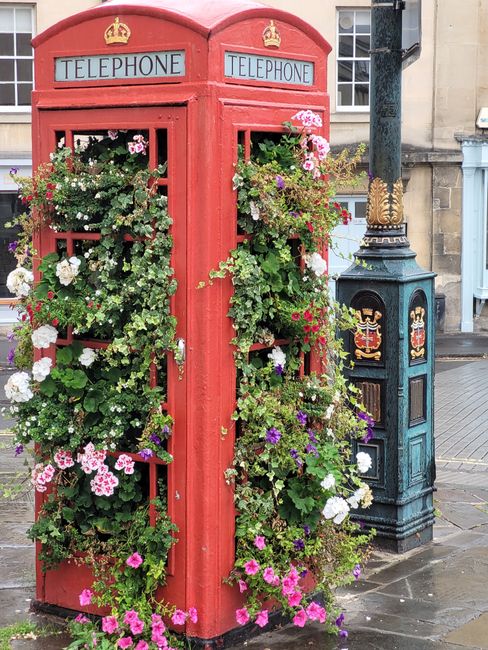
Common mistakes to avoid
Most problems with flower displays are not caused by the flowers themselves. They come from placement, timing, or a bit too much optimism. Here are the usual suspects.
- Blocking access routes. Even a beautiful display becomes a problem if people cannot pass safely.
- Assuming private frontage means no rules apply. If the display affects public space, that assumption may be wrong.
- Ignoring wind and weather. Tunbridge Wells weather can be changeable. A calm morning does not guarantee a calm afternoon.
- Using unstable props. Lightweight stands, toppled urns, and unweighted displays are risky outdoors.
- Choosing flowers that wilt too quickly. Some varieties need much more care if the display has to last all day.
- Leaving the setup too late. Last-minute installation often leads to poor positioning and rushed decisions.
- Forgetting removal. A display is not finished until it is cleared away properly.
There is also the classic mistake of planning for the photo, not for the day. It looks perfect at 9am, then at 2pm someone has nudged the vase, the sun has hit it, and the entrance feels cramped. Happens all the time. Slight exaggeration? Maybe. Not by much.
For sympathy or remembrance work, the risks are a little different. The main issues are usually sensitivity, legibility, and respectful placement. Choosing the right tribute style can help. Pages such as funeral flowers in Tunbridge Wells and funeral arrangements can be useful when you need a more formal or traditional approach. In those settings, discretion often matters more than scale.
Tools, resources and recommendations
You do not need an elaborate toolkit to manage a compliant flower display, but a few practical items help a lot.
- Measuring tape for checking width, depth, and clearance.
- Weighted containers or secure stands for stability outdoors.
- Water source or hydration plan for longer installations.
- Cleaning cloths and spare foliage for quick tidying.
- Phone camera for recording the setup and any agreed layout.
- Basic weather awareness so you can adapt before damage occurs.
For floral selection, it helps to start from the occasion and setting rather than from colour alone. A reception entrance, for example, might suit a crisp modern style. A wedding aisle may need a softer palette and lower arrangements. A memorial piece usually needs a more restrained tone and structure. If you are unsure where to begin, browsing all flowers or a more curated option like florist choice can be a practical shortcut.
For ongoing floral maintenance, it also helps to understand basic aftercare. The flower care guidance is useful if you want arrangements to look fresher for longer, particularly when a display needs to survive from morning setup through evening close. Small habits make a bigger difference than people expect.
If your floral work is part of a larger business setup, you may also want to review pages like about us, guarantees, and sustainability. They are not council rules, of course, but they do help you judge reliability, service standards, and the broader values behind the arrangement.
Law, compliance, standards, or best practice
This is the section where people sometimes want a neat yes-or-no answer. Fair enough. The trouble is that flower displays can touch several overlapping areas: pavement safety, property permissions, public highway management, venue terms, and general duty of care. The exact requirement depends on what you are doing and where you are doing it.
In practical terms, the safest approach is to treat any outward-facing display as something that must be:
- kept clear of essential access;
- stable and not likely to fall over;
- maintained so it does not become untidy or hazardous;
- appropriate to the surrounding setting;
- removed on time and without leaving residue or obstruction.
For businesses, there may also be lease conditions, landlord permissions, or insurance considerations. If a display is near customers or the public, risk assessment is sensible even when nobody explicitly asks for one. Not glamorous, but worth doing. For events and weddings, venue rules may be stricter than the council's, especially indoors or around historic properties where floors, walls, and fire routes matter. Little details, big consequences.
Best practice in this area usually means doing three things well: checking the site, communicating early, and keeping the display simple enough to manage. You do not need a floral sculpture worthy of a transport hub to make a place look lovely. Sometimes a well-chosen arrangement in the right spot does more than an extravagant setup that blocks half the doorway.
If you are arranging flowers for an event where timing and appearance both matter, consider product choices that are easy to stage and transport. A secure vase arrangement, a compact basket, or a neat bouquet can be far easier to manage than an elaborate loose design. For instance, flowers in a vase or baskets and posies can work well in spaces where a clean footprint is important.
Options, methods, or comparison table
Different display types suit different levels of risk, permission, and upkeep. Here is a simple comparison that may help you decide what makes sense.
| Display type | Best for | Compliance pressure | Practical note |
|---|---|---|---|
| Indoor arrangements | Receptions, tables, ceremonies, retail counters | Low to moderate | Usually easiest to manage, but still watch fire exits and trip hazards. |
| Private frontage displays | Shop entrances, cafes, office doors | Moderate | Check whether anything extends into shared access space. |
| Outdoor planters | Seasonal decoration, branding, property enhancement | Moderate to high | Needs stability, weather resistance, and enough clearance for pedestrians. |
| Temporary event florals | Weddings, launches, memorial gatherings, pop-ups | Variable | Often depends on the venue, setup windows, and removal timing. |
| Tributes and memorial pieces | Funerals, remembrance, commemorative services | Context-specific | Respectful placement and coordination with the venue are key. |
In a nutshell, the more a display touches public access, the more attention it needs. Simple, but easy to forget if you are focused on colour and composition. The practical answer is often to choose the format that gives the best balance between beauty and control.
Case study or real-world example
Here is a realistic example based on a common local scenario. A small independent business in Tunbridge Wells wants to brighten its entrance with a seasonal floral display for a promotion week. The owner first imagines two large planters near the door and a low arrangement by the pavement. Looks lovely in their head. Slight problem: the doorway is narrow, foot traffic is steady, and delivery drivers use the same access point.
Instead of forcing the original idea, the business trims the plan back. They choose one weighted planter on the private side of the entrance, add a compact floral piece inside by the counter, and keep the pavement edge completely clear. They also schedule watering each morning and remove any damaged blooms before opening. The result is tidier, safer, and much less stressful.
Now compare that with the first version. The heavier display may have been visually stronger, but it would also have been more likely to cause friction with access, cleaning, or passers-by. The smaller setup wins because it respects the space. That is often the secret, if there is one. Not bigger. Better placed.
The same logic applies to wedding venues and funeral services. A display that fits the route, respects the tone, and avoids fuss is usually the one people remember positively. Not because it shouted the loudest, but because it supported the moment without getting in the way. And that, frankly, is what good floral planning should do.
Practical checklist
Use this checklist before you finalise a flower display in Tunbridge Wells.
- Have I identified the exact space the display will occupy?
- Is the display fully on private ground, or could it affect shared/public access?
- Have I checked for route width, entry points, and visibility issues?
- Do I know who approves the display if permission is needed?
- Have I chosen a stable container or arrangement method?
- Will the flowers cope with the weather and duration of the display?
- Is there a clear plan for watering, tidying, and removal?
- Have I checked whether the venue or landlord has extra requirements?
- Will the display still look tidy at the end of the day, not just at the start?
- Do I have a backup option if the original layout is not suitable?
If you can answer yes to most of those, you are in good shape. If not, pause and adjust before setup day. That small delay is usually cheaper than a rushed rebuild.
Get a free quote today and see how much you can save.
Conclusion
How Tunbridge Wells Borough Council rules affect flower displays is really about balancing beauty with responsibility. Once you see it that way, the whole subject becomes much easier. You are not fighting the rules; you are designing with the space in mind. That shift changes everything.
A good display is safe, tidy, proportionate, and suited to its setting. Whether you are planning a shopfront, a wedding entrance, a memorial tribute, or a seasonal arrangement, the same principles keep appearing: measure carefully, place thoughtfully, and maintain the display properly. Do that, and most of the tricky bits start to disappear.
If you want your flowers to look polished and stay practical, it helps to choose a florist and products that fit the occasion, the timing, and the setting. A little planning now saves a lot of fiddling later. And honestly, that's half the battle.
In the end, the best floral displays are the ones that feel effortless to everyone else, even though they were anything but.
Frequently Asked Questions
Do I need council permission for flower displays in Tunbridge Wells?
Sometimes, yes, but not always. It depends on where the display sits, whether it affects public space, and whether it creates an access or safety issue. Displays fully within private indoor space are usually simpler than those on or near a pavement.
Can I put planters outside my shop in Tunbridge Wells?
You may be able to, but you should first check whether the planters stay entirely on your land and do not obstruct the public route. Stability, maintenance, and clear pedestrian access are the big three to think about.
What kind of flower display is least likely to cause problems?
Low, stable, well-maintained arrangements placed on private property are usually the easiest to manage. Indoor vase arrangements and compact baskets are often less complicated than large outdoor displays.
Are wedding flower displays treated differently from business displays?
Yes, in practice they often are. Weddings are usually guided more by the venue's rules and layout than by street-facing concerns, unless the display spills into shared access areas or public routes.
What happens if a flower display blocks the pavement?
It can lead to complaints, removal requests, or a need to reposition the display. If it creates a hazard or an obstruction, it may need to be changed quickly. Better to prevent that from the start.
Do funeral flowers face different expectations?
They often do, because the tone, purpose, and placement are different. Funeral flowers should be respectful, manageable, and suited to the venue or service setting. Simplicity is often the safer choice.
How do I make outdoor flowers last longer?
Choose hardy varieties, use stable containers, keep them hydrated, and protect them from direct wind where possible. For longer displays, regular checking is worth doing, especially on warmer or breezier days.
What flowers work well for formal displays?
Roses, lilies, chrysanthemums, and white or soft-toned arrangements are commonly used for formal settings. The right choice depends on the occasion, but restrained palettes often suit council-facing or ceremonial spaces well.
Can I use cheap flowers for a display and still look professional?
Absolutely, provided the design is thoughtful and the flowers are fresh enough for the job. A simple, well-proportioned display often looks better than an expensive one that is badly placed. Budget and style can work together.
How far in advance should I plan a display?
As early as you can, especially if the display affects access, needs delivery timing, or depends on venue approval. For time-sensitive arrangements, planning a few days ahead can make setup much calmer.
What if I am not sure whether my display needs approval?
Start by checking the location and whether the display touches public space or shared access. If there is any doubt, treat it cautiously and ask before setup. It is easier to adjust a plan than remove a finished display.
What is the safest approach for a first-time floral installation?
Keep it simple, keep it stable, and keep it clear of walkways. Measure the space, choose sturdy containers, and avoid overcomplicating the layout. Simple is not boring. Simple is often smart.